MEDESSA · ODESA
Transrectal male pelvic ultrasound (prostate, seminal vesicles and bladder)
Transrectal imaging gives a detailed view of the prostate and seminal vesicles. Bladder assessment depends on the examination requested.
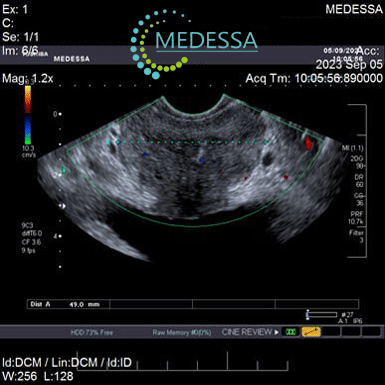
What the scan can show
The study may help when urination is difficult, when prostate enlargement is suspected or when earlier findings need clarification. It assesses prostate size and structure. Ultrasound findings can have several causes and are interpreted with symptoms, examination and laboratory tests.
How prostate findings guide the next step
Prostate volume can help guide treatment for enlargement, although the severity of urinary symptoms does not depend on size alone. If PSA is raised, the urologist considers the trend, examination findings and individual risk. MRI can inform the decision about biopsy. When confirmation is needed, prostate cancer is diagnosed by examining a tissue sample.
Preparation and what to expect
A slim covered probe is gently inserted into the rectum. Ask about preparation and mention rectal pain, bleeding or recent surgery. Bowel preparation and bladder filling depend on the planned protocol.
When further tests can help
If PSA, examination or other findings suggest clinically significant cancer, the urologist may request prostate MRI before biopsy. It can locate suspicious areas for targeted sampling. A negative scan does not completely exclude cancer.
Results and next steps
Discuss the report with your urologist. Sudden inability to pass urine needs urgent care.
Frequently asked questions
Is this a biopsy?
Diagnostic ultrasound produces images. Tissue sampling is a separate procedure.
What does an enlarged prostate mean?
It describes the gland’s size. Your clinician considers it alongside symptoms, examination and test results.
Can the scan measure PSA?
PSA is measured in a blood sample. Ultrasound provides images of the gland.
When should I mention previous surgery?
Tell the clinic about rectal surgery when booking. Your clinician can assess whether this approach is suitable.
Is an external scan an option?
It may be, depending on the clinical question. The abdominal approach may show less detail of the prostate.
Should I stop my medicines?
Ask your clinician if a separate procedure is planned. Continue prescribed medicines unless advised otherwise.
Does the scan use radiation?
The images are made using sound waves. Ultrasound does not use ionising radiation.
Will I need a contrast injection?
The standard scan described here does not usually require contrast. Check the separate instructions if another test has been ordered.
Can I resume my usual activities afterwards?
Routine diagnostic ultrasound generally requires no recovery. A separate procedure may have its own aftercare instructions.
Who decides what happens after the report?
Review it with the clinician who requested the scan. They can interpret the findings alongside your symptoms and other test results.
Medical sources and guidelines
Last updated:
Transrectal male pelvic ultrasound (prostate, seminal vesicles and bladder): 800 ₴
This article is for information only.